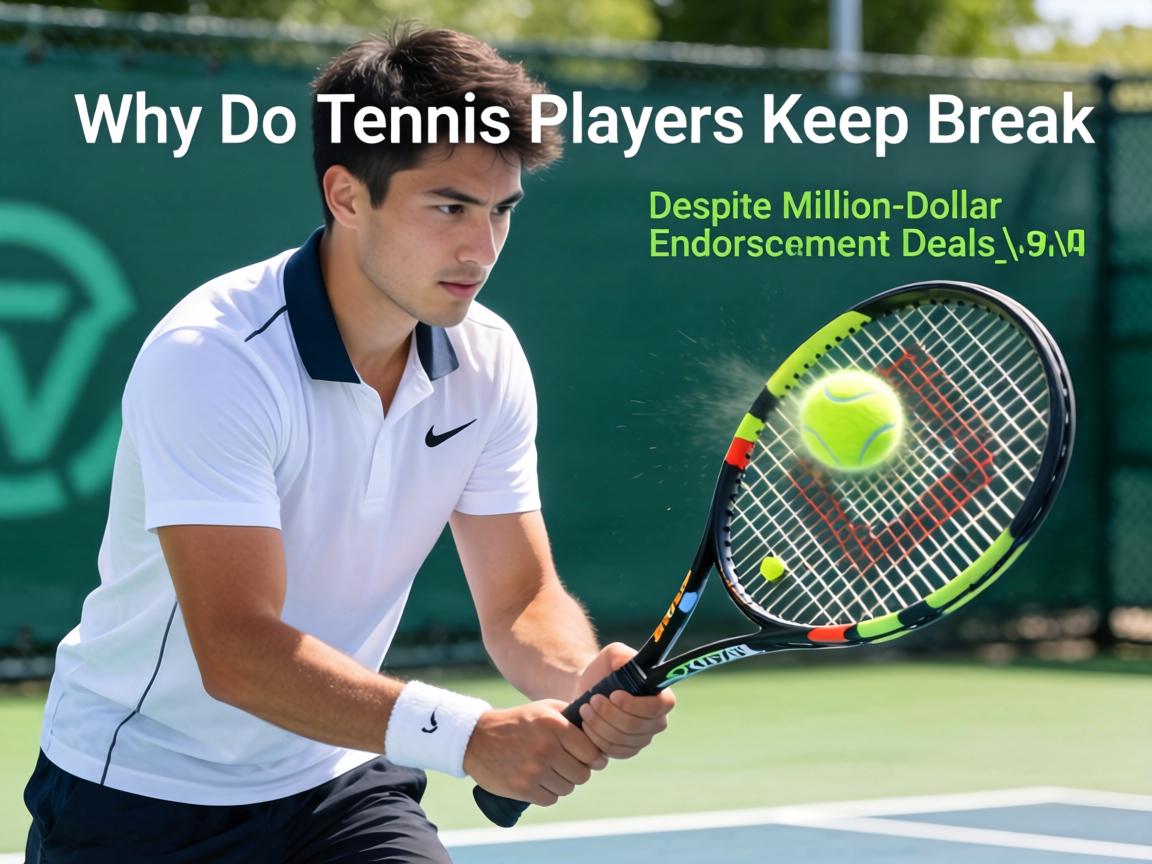
Ever watched a Grand Slam final and seen a top player smash a $400 racket into the court after a double fault? You might be wondering… doesn’t that violate their sponsorship contract, or at least cost them a fortune? Let me break this down because, honestly, most people don’t notice the real economics behind these meltdowns until someone explains the fine print.The Hidden Math of Racket Destruction
So here’s what I think. When Carlos Alcaraz launches his Babolat into the clay at Roland Garros, or Novak Djokovic turns his Head frame into modern art against the hardcourt, they’re not actually losing money. Not directly, anyway. Top ATP and WTA players receive unlimited racket supplies as part of their deals—sometimes 60-80 frames per tournament. Breaking one is… well, it’s basically free advertising for the brand.Let’s be real for a second. Wilson, Yonex, and Prince don’t sign these athletes to showcase perfect technique. They want drama. Emotion. The raw intensity that makes tennis highlights go viral on social media. A smashed racket gets more Twitter engagement than a clean backhand winner. Sad but true.But What About the Fines?
A lot of fans ask me whether players get docked pay for equipment abuse. The answer’s actually pretty straightforward when you think about it:
- Code violations
from umpires? Yeah, those happen. Usually $500-$2,000 per incident
- Equipment abuse warnings
accumulate toward point penalties in extreme cases
- Sponsor reactions
? Almost never negative. They quietly replace the frame before the next changeover
From my view, the fine system is basically theater. For someone earning $10 million annually in endorsements plus prize money, a $1,500 penalty is like you or me losing a quarter. The ATP and WTA keep the rules on books to maintain “professional standards,” but nobody’s actually deterred.The Psychological Release Valve
Keep reading, because this gets interesting. Sports psychologists have studied racket smashing extensively. Turns out, for certain personality types—your Nick Kyrgios, your Daniil Medvedev temperaments—the physical destruction actually resets competitive focus. It’s not petulance; it’s emotional regulation through kinetic release.
| Trigger Type | Typical Response | Cost to Player |
|---|---|---|
| Bad line call | Argument with umpire | Time violation, possible fine |
| Double fault on break point | Racket slam | Equipment replacement (free), code violation |
| Losing streak in set | Tossing racket to bag | Usually ignored |
| Match point loss | Destruction ceremony | Social media gold for sponsors |
You might be wondering if this affects racket sales. Paradoxically, yes—positively. When Kyrgios destroyed four rackets in a single match at Indian Wells 2022, Yonex reported a 15% traffic spike to their product pages that week. Anger sells, apparently.What Does This Mean for the Tour?
The equipment destruction culture has actually normalized across tennis levels. Junior tournaments now see 14-year-olds mimicking Ben Shelton’s phone celebration or Jannik Sinner’s icy stares. But here’s what most equipment articles miss: the pro smashing is calculated. They know cameras are rolling. They know the brand logo will be visible in slow-motion replays.For club players? Let’s just say… don’t try this. Your local pro shop won’t replace that cracked Pure Drive for free. I’ve seen weekend warriors destroy their only frame before a league match and have to borrow from opponents. Not a power move.The Sustainability Question
There’s actually a fascinating tension emerging. Environmental groups have started pressuring tournaments about racket waste—graphite composite doesn’t biodegrade, and hundreds of destroyed frames accumulate annually at major events. The Australian Open 2025 reportedly introduced “racket recycling stations” behind the scenes, though players rarely use them. Old habits, you know?What does this mean for regular fans? Honestly, enjoy the theater but don’t emulate the behavior. The pros have insurance policies on their equipment and mental health teams monitoring their stress levels. Your Tuesday night doubles league? Not quite the same pressure environment.From my view, the whole phenomenon reveals something uncomfortable about modern tennis—we’ve monetized emotional volatility. Every smashed Wilson or Head becomes content fodder. The players know it. The brands bank on it. And we, the viewers, keep clicking those highlight reels.The frame didn’t make the player lose control. But the sponsorship deal definitely factors into whether they can afford to show it.