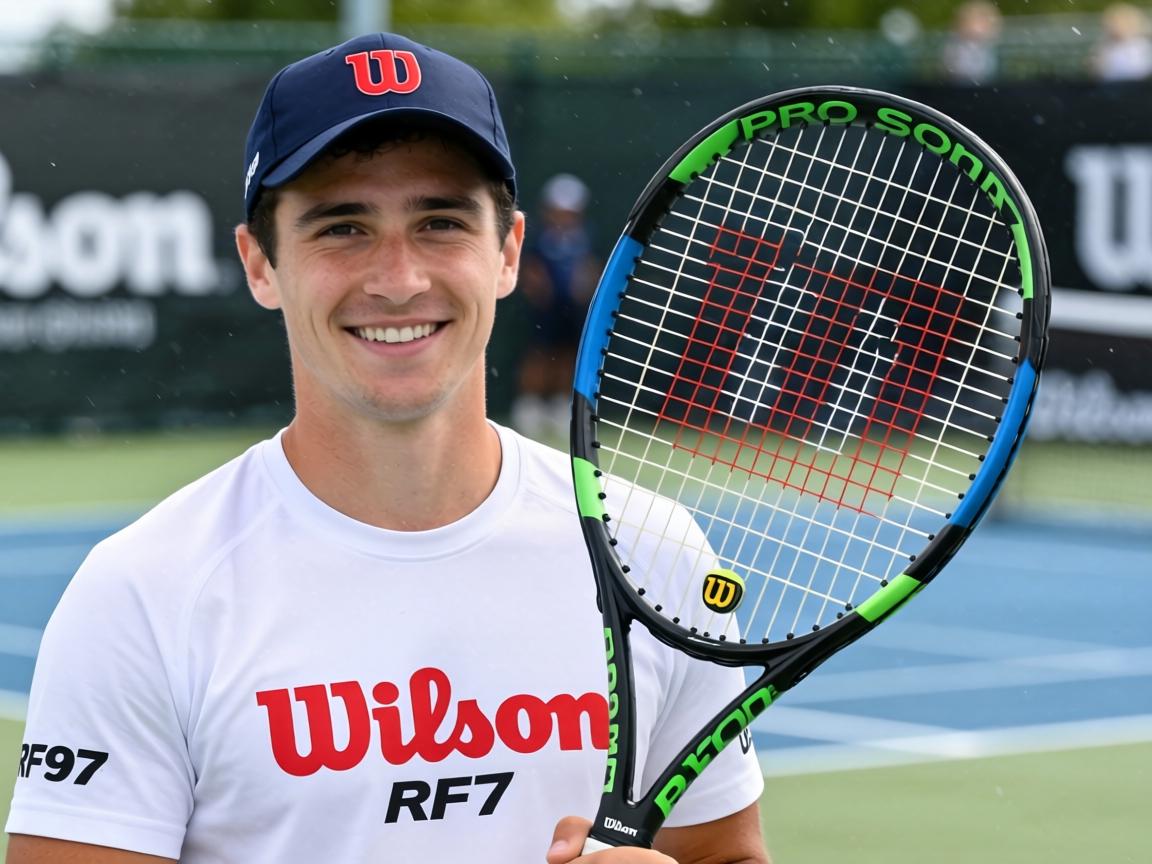
Guys, let’s be real for a second. When Roger Federer hung up his racquet at the Laver Cup back in 2022, a lot of us thought that was the end of an era—and yeah, it was. But what nobody really talks about? The Wilson Pro Staff RF97 Autograph didn’t disappear with him. It’s still sitting on shelves, still getting restrung at your local tennis shop, still showing up in the hands of club players who want that feeling. You know what I mean. That pure, buttery connection when you catch the ball just right.But here’s what I keep hearing from fans: “Is it still worth grabbing one in 2026?” Fair question. The tennis gear world moves fast. Babolat keeps pushing Pure Drive updates, Head dropped that Gravity Pro refresh, and Yonex… well, they’ve been quietly killing it with the VCORE lineup. So where does the RF97 sit now? Let’s dig into this properly.First off, the specs haven’t changed. We’re still looking at that 97 square inch head, 12.6 ounces strung weight, and that classic 16×19 string pattern. Heavy. Plush. Demanding. That’s the DNA. Wilson didn’t mess with what worked because, honestly, they didn’t need to. The RF97 was always a niche racquet—built for players who generate their own power and want surgical precision over free pop.But let me ask you something. When was the last time you demoed a racquet that actually punished you for lazy footwork? That’s the RF97 in a nutshell. It’s not forgiving. Miss the sweet spot even slightly and you’ll feel it in your elbow, your shoulder, your pride. A lot of fans ask me whether beginners should even consider it, and I usually just shake my head. This thing is for 4.0 and up, minimum. Maybe strong 3.5s if they’re athletic and committed.Here’s what I think separates the RF97 from the pack in 2026, though. While everyone else is chasing stiffness and free power—looking at you, Pure Aero—the RF97 stays stubbornly… classic. The flex is still there. That 68 RA rating feels like a relic now, honestly. Most modern player sticks sit around 62-65 RA for better stability, but Wilson kept this one plush on purpose. Why? Because that’s what Federer wanted. That’s what his arm needed after surgeries.You might be wondering about alternatives. Okay, let’s run through this quick:
| Racquet | Head Size | Weight | Feel | Who It’s For |
|---|---|---|---|---|
| RF97 Autograph | 97 sq in | 12.6 oz | Plush, heavy, demanding | Traditionalists, Federer fans, flat hitters |
| Head Gravity Pro | 100 sq in | 11.7 oz | Crisp, modern, spin-friendly | All-court players wanting forgiveness |
| Babolat Pure Strike 97 | 97 sq in | 11.4 oz | Stiff, powerful, raw | Aggressive baseliners |
| Yonex VCORE 97 | 97 sq in | 11.5 oz | Comfortable, spin-oriented, quick | Modern players, elbow-friendly |
See the pattern? The RF97 is the outlier. It’s the heaviest, the most demanding, and honestly? The most rewarding if you put in the work. But that “work” part is crucial. I’ve seen too many players buy it because they loved watching Federer, then sell it three weeks later because their shoulder started screaming.From my view, the real value proposition in 2026 is price. These things are everywhere on the secondary market now. You can grab a used one for under $150 if you hunt. New stock is still floating around too, often discounted because retailers need to move inventory. Compare that to the latest Yonex releases pushing $300+ and… yeah, the math starts looking pretty good.What does this mean for the tour, though? That’s where it gets interesting. Almost nobody on the ATP is using the RF97 anymore. Most switched to the newer Pro Staff 97L or the Ultra lineup. The RF97 was always a consumer racquet dressed up as a pro frame—Federer’s actual stick was heavily customized, different layup, different everything. So if you’re buying this thinking you’re getting tour-level gear, adjust expectations. You’re getting a really good approximation that’s tuned for club players.Keep reading if you’re on the fence about weight. That’s usually the dealbreaker. 12.6 ounces might not sound like much, but after two hours of grinding from the baseline? You feel every gram. I’ve had days where I switched mid-match to something lighter just to survive. But then I’d go back to the RF97 for serves and volleys, and… man. That stability at net is addictive. You can punch volleys with zero flutter. The mass just plows through the ball.Most people don’t notice how the balance plays into this. That 12 points head-light setup means the weight sits in your hand, not at the tip. It’s maneuverable for its weight class, but it’s never going to feel whippy like a Pure Drive. That’s the trade-off. Precision versus ease.So, final verdict time. Should you buy a Wilson Pro Staff RF97 Autograph in 2026?If you’re a nostalgic Federer fan who wants to own a piece of history? Absolutely. The craftsmanship is still there. The feel is still magical on centered strikes. Wilson didn’t cut corners on this one even as production wound down.If you’re a competitive player looking for every advantage? Maybe not. There are more forgiving options now, more technologically “advanced” frames that do more of the work for you. The RF97 demands perfection and punishes imperfection. That’s not everyone’s cup of tea.But here’s what I’ll leave you with. Tennis is weirdly emotional, right? We connect with gear in ways that don’t always make logical sense. The RF97 represents something—an approach to the game that’s patient, artistic, technically pure. In an era of poly strings and baseline bashing, it feels almost rebellious to wield this much mass and seek out the short ball.I still have mine. Three of them, actually, all matched and weighted. Will I switch someday? Probably. But not yet. There’s still something about that thwack on a perfectly struck forehand that I haven’t found anywhere else.